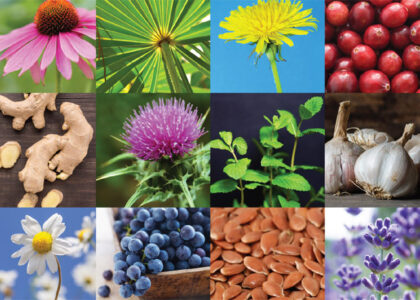

Herbal farming is the practice of cultivating medicinal and aromatic plants used in Ayurveda, traditional medicine, wellness products, and natural remedies. With growing awareness about natural health, herbal farming has emerged as a sustainable and profitable agricultural practice rooted in ancient wisdom.
Importance of Herbal Farming
India is one of the world’s richest sources of medicinal plants. Herbal farming helps preserve this heritage while meeting the rising demand for natural medicines, cosmetics, nutraceuticals, and wellness products. It also supports biodiversity, soil health, and eco-friendly agriculture.
Common Herbs Grown in Herbal Farming
Some widely cultivated medicinal plants include:
Tulsi (Holy Basil)
Ashwagandha
Aloe Vera
Giloy
Neem
Brahmi
Lemongrass
These herbs are valued for their therapeutic properties and are used in medicines, teas, oils, and skincare products.
Benefits of Herbal Farming
Low input cost compared to conventional crops
High market demand in Ayurvedic and herbal industries
Eco-friendly and sustainable farming practice
Medicinal value for personal and community health
Suitable for small landholders and home gardens
How to Start Herbal Farming
Herbal farming can begin on a small scale. Selecting the right herbs based on climate and soil, using organic manure, proper irrigation, and learning basic harvesting techniques are key steps. Many herbs grow well in home gardens and require minimal maintenance.
Herbal Farming and Sustainable Living
Growing medicinal plants reconnects us with nature and traditional knowledge. Fresh herbs harvested from one’s own garden offer unmatched quality and effectiveness, supporting both physical well-being and environmental balance.